Pregnancy Nutrition: A Real-World Guide to Nourishing You and Baby
July 18, 2025
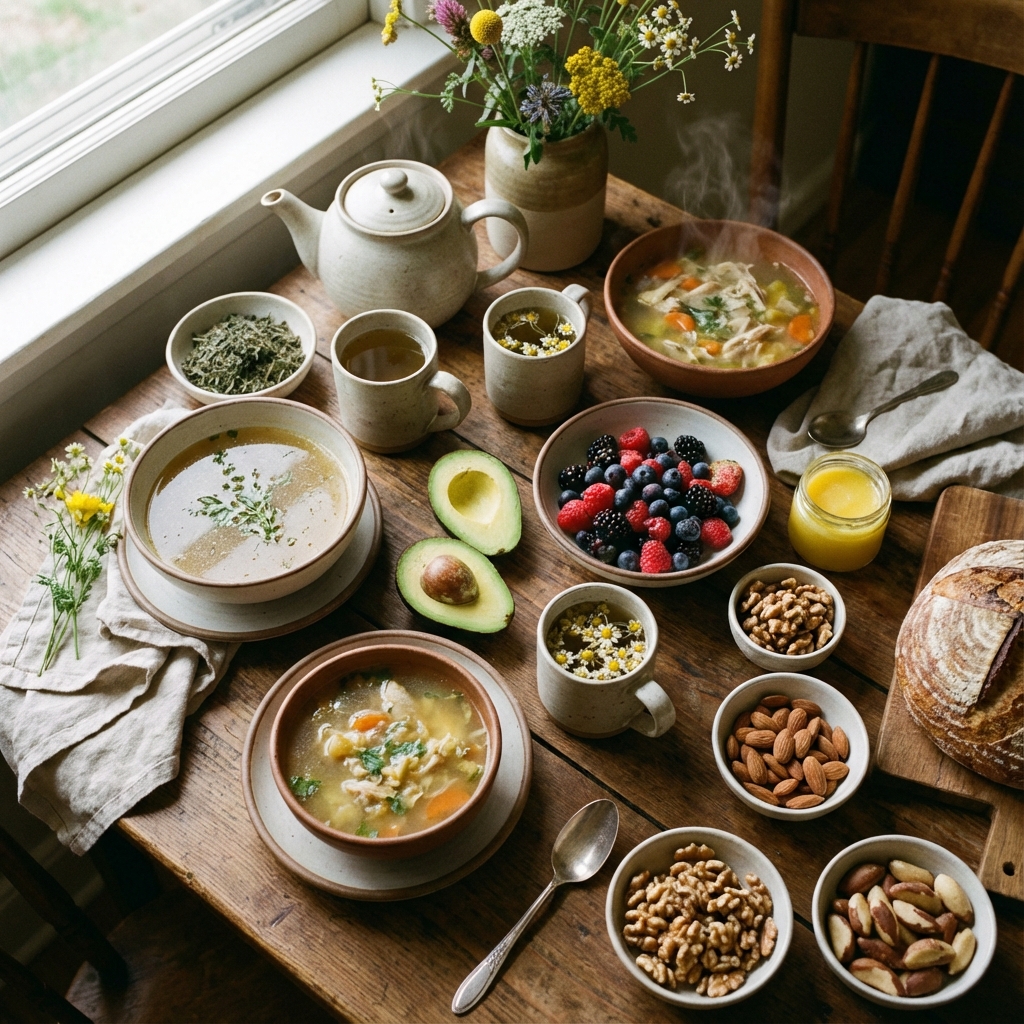
If you've scrolled through pregnancy nutrition advice and felt overwhelmed by the lists of foods to avoid, the perfect meal plans, and the pressure to eat optimally every single day, take a breath. Nourishing yourself during pregnancy doesn't require perfection. It requires flexibility, self-compassion, and some basic knowledge about what your body actually needs.
The Truth About "Eating for Two"
Let's clear something up: you're not literally eating for two adults. The caloric needs during pregnancy increase, but not as dramatically as the old saying suggests.
What Your Body Actually Needs
| Trimester | Extra Calories | What That Looks Like | |-----------|---------------|----------------------| | First | 0 extra | Your regular intake is fine | | Second | ~340 extra | A snack plus a bit more at meals | | Third | ~450 extra | Two substantial snacks or slightly larger meals |
These numbers aren't precise targets to hit. They're general guidelines. Your body is remarkably good at signaling what it needs through hunger and fullness cues.
The goal is to eat enough to support your baby's growth and your own energy needs. That looks different for every pregnant person.
---
The Nutrients That Matter Most
Rather than obsessing over every bite, focus on these key nutrients:
1. Folate/Folic Acid
Why it matters: Crucial for neural tube development, especially in early pregnancy Good sources:- Leafy greens (spinach, kale, romaine)
- Fortified cereals and breads
- Lentils and black beans
- Avocado
- Citrus fruits
2. Iron
Why it matters: Your blood volume increases by up to 50% during pregnancy. Iron helps carry oxygen to your baby. Good sources:- Red meat
- Poultry
- Fish (pregnancy-safe varieties)
- Lentils and beans
- Spinach and other dark leafy greens
- Fortified cereals
3. Calcium
Why it matters: Baby needs calcium for bone development. If you don't get enough, your body will pull from your own bones. Good sources:- Dairy products (milk, yogurt, cheese)
- Fortified plant milks
- Canned salmon or sardines with bones
- Tofu made with calcium sulfate
- Broccoli and kale
4. Protein
Why it matters: Supports baby's tissue and brain development, plus your own increased blood supply How much: Aim for about 75-100 grams per day (roughly 25 grams more than pre-pregnancy) Good sources:- Eggs
- Lean meats and poultry
- Fish
- Greek yogurt
- Cottage cheese
- Legumes and lentils
- Nuts and nut butters
- Tofu and tempeh
5. Omega-3 Fatty Acids (DHA)
Why it matters: Critical for baby's brain and eye development, especially in the third trimester Good sources:- Fatty fish (salmon, sardines, trout) 2-3 times per week
- DHA-fortified eggs
- Walnuts
- Chia seeds and flaxseeds
- Algae-based supplements (good option if you don't eat fish)
6. Fiber
Why it matters: Pregnancy hormones slow digestion. Fiber keeps things moving and helps prevent constipation. Good sources:- Whole grains
- Fruits and vegetables
- Beans and lentils
- Nuts and seeds
---
First Trimester: When Everything Sounds Awful
Nausea changes the nutrition game entirely. If you're spending weeks surviving on crackers and ginger ale, here's permission to let go of "optimal" eating.
Survival Eating Is Valid
When you're nauseous, the priority is:
- Eating something (anything)
- Staying hydrated
- Taking your prenatal vitamin (even if you take it at night to keep it down)
That's it. Your baby will take what they need from your body's reserves during these weeks.
Foods That Often Work During Nausea
- Crackers, pretzels, dry toast
- Cold foods (often better tolerated than hot)
- Bland carbohydrates (plain pasta, rice, potatoes)
- Sour foods (lemon, pickles, sour candies)
- Ginger (tea, candies, real ginger ale)
- Popsicles and frozen fruit
- Whatever sounds remotely appealing in the moment
Remember: First trimester nutrition struggles don't cause harm. Babies have been born healthy to mothers who could barely eat for weeks. Your body knows what to do.
Tips for Getting Through
- Eat small amounts frequently (empty stomach makes nausea worse)
- Keep crackers by your bed for before you get up
- Stay hydrated with whatever fluids you can tolerate
- Don't force foods that make you gag
- Try cold or room temperature foods if smells are triggering
- Give yourself grace; this phase is temporary
---
Second and Third Trimester: Rebuilding Your Diet
Once nausea eases (usually around weeks 12-14), you can focus more on balanced eating. But this still doesn't mean perfection.
Building a Pregnancy Plate
A general framework for meals:
- Half the plate: Vegetables and/or fruit
- Quarter of the plate: Protein source
- Quarter of the plate: Whole grains or starchy vegetables
- Plus: Healthy fats (olive oil, avocado, nuts)
This isn't a rigid rule. Some meals will be a bowl of cereal. Some will be takeout. That's fine.
Smart Snacking
Pregnancy hunger is real. Having good snacks available helps:
- Apple slices with nut butter
- Greek yogurt with berries
- Cheese and whole grain crackers
- Hummus with vegetables or pita
- Trail mix with nuts and dried fruit
- Hard-boiled eggs
- Smoothies (good for sneaking in nutrients)
- Cottage cheese with fruit
Hydration Matters
Aim for about 10 cups of fluid daily (more if you're active or it's hot). Water is ideal, but these count too:
- Sparkling water
- Herbal tea (check which herbs are pregnancy-safe)
- Milk or plant milk
- Broth-based soups
- Fruits with high water content (watermelon, oranges, berries)
---
Foods to Approach with Caution
The "avoid" list is shorter than the internet makes it seem:
Actually Avoid
- Raw or undercooked meat, poultry, and eggs: Risk of salmonella and toxoplasmosis
- Raw fish and sushi (with raw fish): Parasites and bacteria concerns
- High-mercury fish: Shark, swordfish, king mackerel, tilefish, bigeye tuna
- Unpasteurized dairy and juice: Listeria risk
- Deli meats and hot dogs (unless heated until steaming): Listeria risk
- Alcohol: No safe amount established during pregnancy
- Raw sprouts: High bacterial contamination risk
Moderate These
- Caffeine: Up to 200mg daily (about one 12-oz coffee) is generally considered safe
- Fish: Stick to 2-3 servings per week of low-mercury varieties
- Herbal teas: Some herbs aren't recommended; check before drinking large amounts
Probably Fine (Despite What You've Heard)
- Soft cheeses made with pasteurized milk: Check the label; most in the US are pasteurized
- Runny eggs (in the US): Pasteurized eggs or eggs cooked to 160 degrees are safe
- Coffee: One cup is fine for most people
- A bite of your partner's sandwich: You don't need to panic over small exposures
The dose makes the poison. A few bites of something questionable won't harm your pregnancy. Relax.
---
Managing Common Nutrition Challenges
Heartburn
- Eat smaller, more frequent meals
- Avoid lying down right after eating
- Limit spicy, fatty, and acidic foods if they trigger symptoms
- Keep ginger or papaya enzyme on hand
Constipation
- Increase fiber gradually
- Drink more water
- Stay physically active
- Consider a magnesium supplement (talk to your provider)
Food Aversions
- Don't force foods that disgust you
- Find substitutes that provide similar nutrients
- Aversions often shift; try again in a few weeks
Cravings
- Honor them in moderation
- Consider what nutrient your body might be seeking (craving ice cream might mean you need calcium or fat)
- If you're craving non-food items (ice, dirt, chalk), tell your provider as this can indicate deficiency
Gestational Diabetes
If you develop gestational diabetes, you'll work with your provider on a specific eating plan. General principles include:
- Pairing carbs with protein and fat
- Choosing complex carbohydrates over simple sugars
- Eating consistently throughout the day
- Monitoring blood sugar as directed
---
Supplements: What You Actually Need
Essential
- Prenatal vitamin: Covers gaps in your diet, especially folic acid and iron
- DHA/Omega-3: If you don't eat fatty fish regularly
Sometimes Needed
- Vitamin D: Many people are deficient; your provider can test your levels
- Iron supplement: If your levels are low (beyond what's in your prenatal)
- Calcium: If you don't consume enough dairy or fortified alternatives
- B12: Essential if you eat a vegan diet
Skip These
- Vitamin A as retinol: High doses can cause birth defects (beta-carotene is fine)
- Herbal supplements (unless approved by your provider)
- Mega-doses of anything: More isn't better during pregnancy
---
What "Eating Well" Really Looks Like
A realistic week of pregnancy eating might include:
- Monday: Oatmeal for breakfast, packed lunch you barely touched because of a meeting, pizza for dinner with a side salad
- Tuesday: Smoothie with spinach hidden in it, leftovers for lunch, salmon and rice for dinner
- Wednesday: Cereal because nothing else sounded good, takeout Thai food for lunch and dinner
- Thursday: Eggs and toast, big salad with grilled chicken, homemade soup
- Friday: Bagel with cream cheese (and prenatal vitamin), snacked all afternoon, pasta with meat sauce
This is what balanced eating looks like in real life. Some days are better than others. The pattern over time matters more than any single day.
---
You're Doing Fine
If you're taking a prenatal vitamin, eating when you're hungry, trying to include variety when you can, and not subsisting solely on junk food, you're doing enough.
Pregnancy nutrition isn't about perfection. It's about general patterns. It's about nourishing yourself with compassion. It's about remembering that humans have been growing healthy babies for thousands of years without chia seeds or kale smoothies.
Your body knows how to do this. Trust it. Feed it. And let go of the pressure to eat perfectly.
You and your baby are going to be just fine.

Written by
Desirée Monteilh, OTR/L
Desirée is an occupational therapist, certified infant massage instructor, and Reiki practitioner specializing in maternal wellness. With training in perinatal mental health and doula support, she helps mothers navigate the transformative journey of parenthood.
Learn More About Desirée →