Postpartum Nutrition: The Healing Foods Your Body Actually Needs After Birth
October 10, 2025
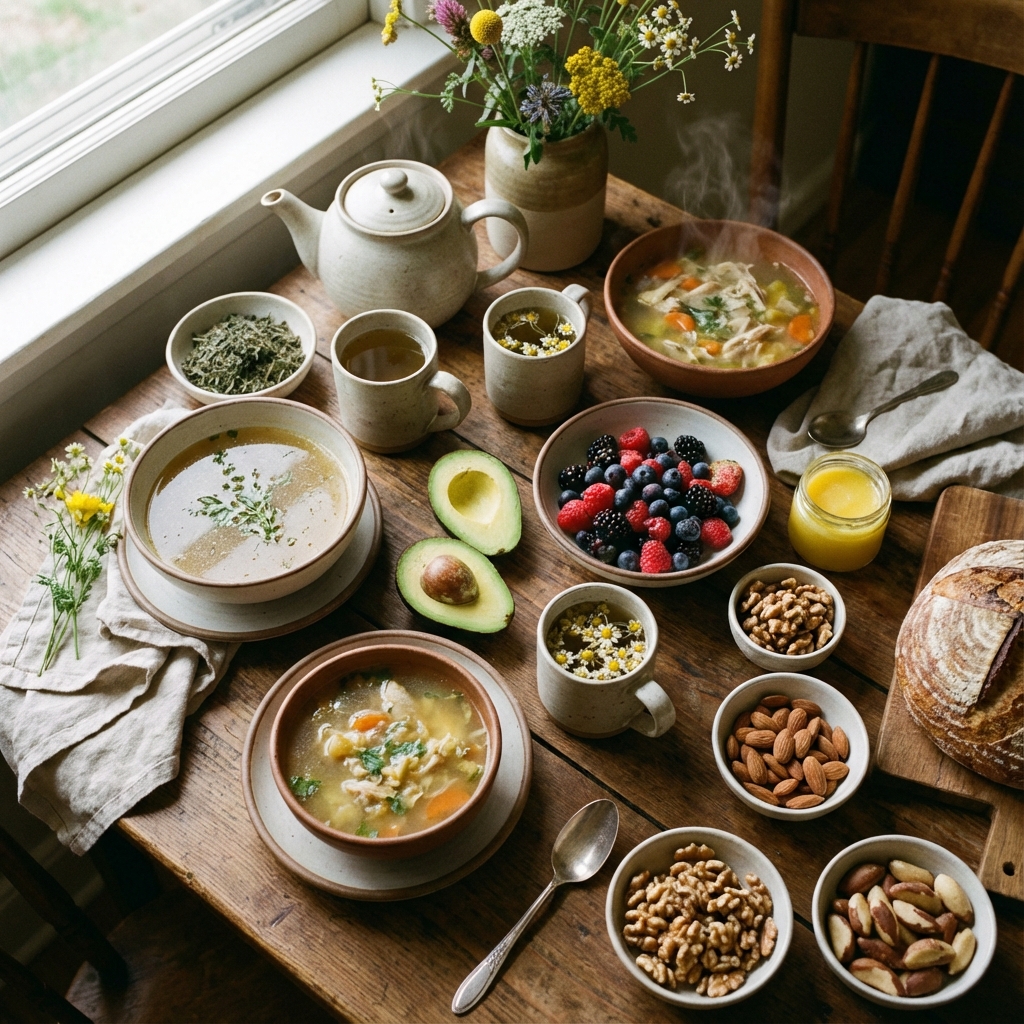
You've just done one of the most physically demanding things a human body can do. You grew a person, then either pushed them out or had them surgically removed. Your body is depleted. And now it's also running on minimal sleep while caring for a newborn.
What you eat matters. Not for "bouncing back" or losing weight. For healing. For energy. For your mental health. For having something left to give.
Why Postpartum Nutrition Is Different
Your body has specific needs right now:
- Blood loss: You lost blood during delivery (sometimes a lot). You need to rebuild.
- Tissue repair: Whether vaginal or cesarean, tissue needs protein to heal.
- Hormone regulation: Your hormones are crashing. Nutrients support the transition.
- Milk production: If breastfeeding, you're making food for another human 24/7.
- Energy depletion: Sleep deprivation is brutal. Food is fuel.
- Mental health: Nutrition directly impacts mood and anxiety.
This is not the time for dieting. This is the time for deep nourishment.
Key Nutrients You Need Now
1. Iron
You lost blood. You need iron to rebuild red blood cells and prevent anemia (which causes fatigue, brain fog, and weakness).
Sources:
- Red meat (beef, lamb)
- Dark poultry meat
- Lentils and beans
- Spinach and dark leafy greens
- Fortified cereals
Tip: Pair iron-rich foods with vitamin C (citrus, tomatoes) to boost absorption. Avoid coffee/tea near iron-rich meals.
2. Protein
Protein builds and repairs tissue. You need it for healing, whether from a cesarean incision, perineal tears, or general recovery.
Sources:
- Eggs
- Chicken, fish, beef
- Greek yogurt
- Nuts and nut butters
- Legumes
3. Omega-3 Fatty Acids
Critical for brain health, hormone regulation, and reducing inflammation. Research links omega-3s to lower rates of postpartum depression.
Sources:
- Fatty fish (salmon, sardines, mackerel)
- Walnuts
- Chia and flax seeds
- Algae-based supplements

4. Vitamin D
Many new parents are deficient, especially if you're indoors a lot. Vitamin D supports mood, immune function, and bone health.
Sources:
- Sunlight (even 10-15 minutes helps)
- Fatty fish
- Fortified milk and orange juice
- Egg yolks
- Supplements (talk to your provider)
5. B Vitamins
Essential for energy production, mood regulation, and nerve function.
Sources:
- Whole grains
- Meat and poultry
- Eggs
- Leafy greens
- Fortified cereals
6. Fiber + Fluids
Constipation is common postpartum, and you really don't want to strain (especially with stitches). Keep things moving.
- Drink plenty of water (aim for 8+ glasses, more if breastfeeding)
- Eat fiber-rich foods: fruits, vegetables, whole grains, beans
- Consider a gentle fiber supplement if needed
The Best Postpartum Foods
Top 10 Postpartum Healing Foods
- Bone broth: Collagen for tissue repair, easy to digest, hydrating
- Eggs: Complete protein, choline for baby's brain (if breastfeeding), quick to make
- Salmon: Omega-3s, protein, vitamin D
- Oatmeal: Fiber, B vitamins, may support milk supply
- Leafy greens: Iron, folate, fiber
- Berries: Antioxidants, vitamin C, fiber
- Avocado: Healthy fats, fiber, easy to eat one-handed
- Nuts and nut butter: Protein, healthy fats, portable snack
- Greek yogurt: Protein, probiotics for gut health
- Sweet potatoes: Complex carbs, vitamin A, fiber
Warm vs. Cold Foods
Many traditional cultures emphasize warm, cooked foods postpartum. There's wisdom in this:
- Warm foods are easier to digest when your system is depleted
- Soups and stews pack nutrients in an easy-to-consume form
- Warmth supports circulation and healing
This doesn't mean you can't eat cold foods. But if you're struggling, focus on warm, nourishing meals: soups, stews, oatmeal, cooked vegetables.

Practical Tips for Eating Postpartum
Before Baby Arrives
- Batch cook and freeze soups, stews, and casseroles
- Stock your freezer with easy proteins (cooked chicken, frozen meatballs)
- Set up a meal train through friends/family
- Stock healthy snacks you can eat one-handed
After Baby Arrives
- Keep water bottles everywhere you nurse or feed
- Accept every meal people offer to bring
- Keep snacks next to your nursing chair: nuts, fruit, granola bars
- Eat breakfast, even if it's just yogurt and fruit
- Don't skip meals (your body needs consistent fuel)
If You're Breastfeeding
You need an extra 300-500 calories per day while breastfeeding. This is not the time to restrict. Milk production requires energy.
Foods that may support milk supply (galactagogues):
- Oats
- Brewer's yeast
- Fenugreek (use with caution)
- Fennel
- Lots of fluids
Most importantly: eat enough and stay hydrated.
Foods to Limit (Not Avoid)
- Caffeine: It's fine in moderation. Don't feel guilty about coffee. Just don't overdo it.
- Alcohol: If breastfeeding, time it away from feeds. You don't need to "pump and dump" unless you feel intoxicated.
- Processed foods: They're fine sometimes, but they won't give you the nutrients you need for recovery.
The Bottom Line
You cannot pour from an empty cup. Your body just did something extraordinary, and it needs fuel to recover.
Eat warm. Eat often. Eat enough. This is not about bouncing back. This is about building yourself back up.
Stock your freezer, accept help, and remember: every time you nourish yourself, you're better able to nourish your baby.

Written by
Desirée Monteilh, OTR/L
Desirée is an occupational therapist, certified infant massage instructor, and Reiki practitioner specializing in maternal wellness. With training in perinatal mental health and doula support, she helps mothers navigate the transformative journey of parenthood.
Learn More About Desirée →